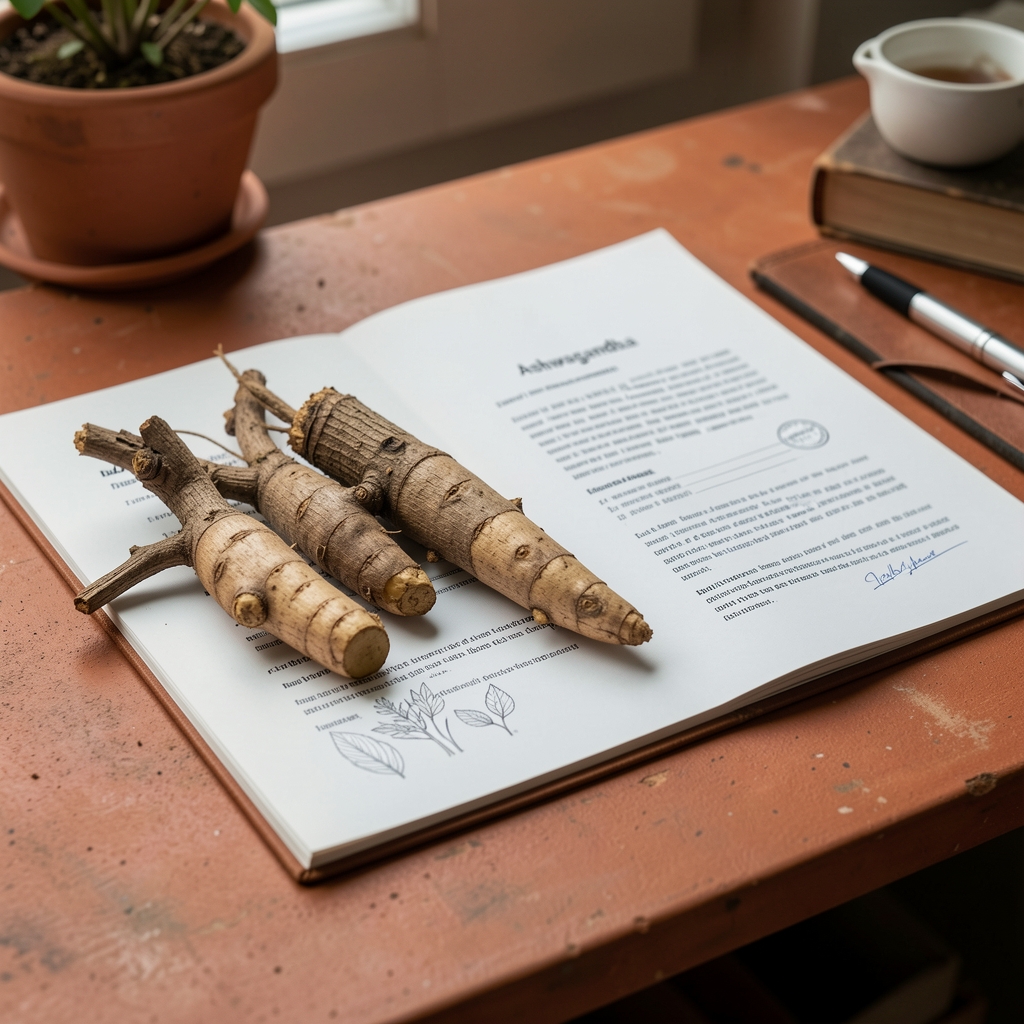
Ashwagandha (Withania somnifera) has become one of the most visible botanical supplements in public wellness conversations surrounding cortisol, stress resilience, and sleep. While marketing narratives often frame the herb in definitive terms, scientific research reveals a more nuanced picture. Extract compositions vary widely, study sample sizes remain predominantly small, and personal physiological context plays a central role.
1. Understanding Cortisol & Endocrine Rhythms
Cortisol is frequently labelled the "stress hormone," but this shorthand obscures its vital biological roles. Cortisol governs the awakening response (CAR), regulates immune activity, modulates blood glucose, and supports cardiovascular vascular tone.
Scientific studies measuring cortisol typically employ salivary or serum testing at specific times of day. A single isolated measurement does not reflect an individual's overall neuroendocrine health, and modest reductions in laboratory metrics do not automatically equate to a transformation in daily quality of life.
2. Botanical Standardisation & Extract Variations
In research papers and commercial packaging, "Ashwagandha" is not a uniform single entity:
- Standardised Extracts: Clinical trials often utilise proprietary root-only extracts standardised to specific withanolide percentages (e.g., 2.5% to 5%).
- Whole Root Powders: Traditional unstandardised preparations contain variable bioactive concentrations depending on soil conditions, harvesting season, and processing.
- Leaf vs. Root Fractions: Preparations combining aerial leaf parts with roots carry differing withanolide profiles and safety considerations.

Critical Questions for Readers
When reviewing any botanical research, examine whether the clinical study investigated a specific branded extract, how long the observation lasted (typically 60 to 90 days), and whether the study group resembles your demographic.
3. Overview of Trial Parameters
| Study Parameter | What the Evidence Shows | Editorial Caution |
|---|---|---|
| Perceived Stress Scores (PSS) | Statistically significant score reductions in small 60-day cohorts. | Self-reported questionnaires are subject to significant placebo response. |
| Serum Cortisol Levels | Reductions of 10% to 25% noted in participants with elevated baseline stress. | Individual variations remain high; baseline adrenal status was rarely controlled. |
| Long-Term Safety | Well tolerated in short-term studies (up to 12 weeks). | Data on continuous, multi-year daily usage remains sparse. |
4. Safety Precautions & Contraindications
Botanicals contain biologically active compounds that may interact with prescription medications or existing physiological conditions:
- Thyroid Function: Ashwagandha may stimulate thyroid hormone production; individuals with thyroid conditions should exercise caution.
- Autoimmune Conditions: Immune-modulating properties may theoretically affect individuals with autoimmune diagnoses.
- Pregnancy & Breastfeeding: Contraindicated during pregnancy and breastfeeding.
- Sedative Medications: May enhance the effect of sedatives, anxiolytics, or central nervous system depressants.
5. Key Takeaways
- Ashwagandha research presents interesting scientific questions, but evidence does not support it as a cure for lifestyle stress.
- Product standardization and extract type differ significantly across manufacturers.
- Baseline lifestyle factors—sleep consistency, workload boundaries, and physical activity—remain the fundamental foundation of stress resilience.
Related Editorial Reading
Magnesium and Stress: What Research Suggests · L-Theanine and Relaxation: What Adults Should Know · Why Stress Responses Change After 40