Food supplement. Not a medicine. Sold by Stornev Health Ltd, Bristol, United Kingdom. · Disclaimer
Editorial health information. Not a substitute for professional medical advice. | Stornev · Bristol, United Kingdom

About the platform

Independent context for a changing stage of life.

Stornev is a Bristol-based editorial health resource for adults over 40 in the United Kingdom.

Two editorial colleagues reviewing printed wellbeing research beside a window in Bristol

Our Mission

Our mission is to provide evidence-informed, accessible health information for adults over 40 in the UK. The platform focuses on stress wellbeing UK, everyday routines, nutrition and the questions that arise during middle age.

We write for curious readers rather than customers. There are no product pages, sales promises or paid recommendations shaping the journal.

Our Editorial Approach

Each feature begins with a plain-language question. We review public research, identify where evidence is limited and explain why people may experience the same topic differently.

Our independent editorial team with a background in health communication values proportion, transparency and useful detail. We aim to organise information so readers can form better questions for their own conversations.

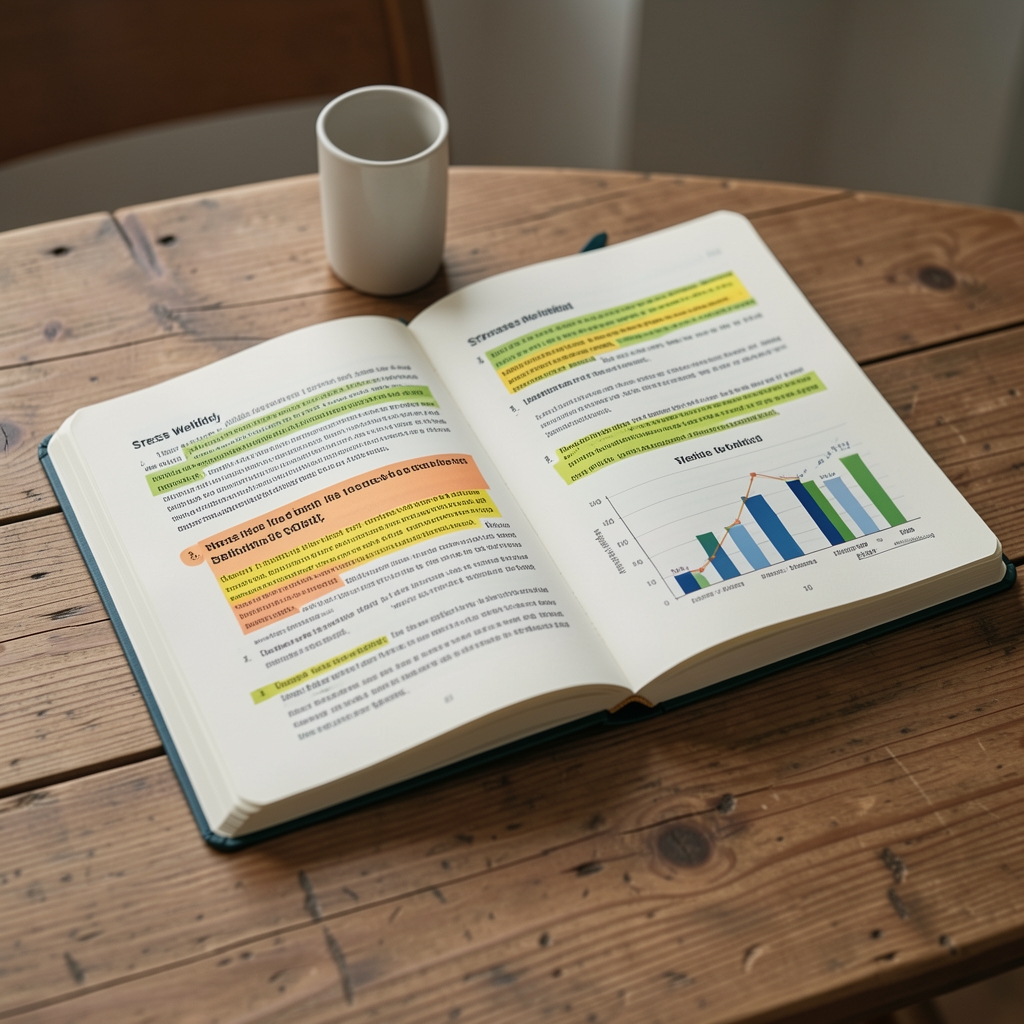
Open notebook and highlighted research papers about stress and wellbeing on a wooden table

Editorial Standards

Clear sourcing

Research vocabulary is explained rather than used as decoration. We separate observation from interpretation.

Measured language

Articles avoid certainty where the evidence is mixed and acknowledge variation across age, routine and context.

Reader respect

Our writing supports informed reading and points towards qualified help when a personal question needs individual attention.

Contact Us

Questions about an article, an editorial correction or accessibility can be sent to [email protected].

How the publication works

Stornev is an independent health information project based in Bristol. Its purpose is to make complex topics easier to read without presenting a single answer as suitable for everyone. The editorial team with a background in health communication works with public research, source notes and reader questions to shape each page.

2026Current publishing year
6Core article topics
UKPrimary readership
3Editorial checks

Editorial journey

  1. Question: identify the topic and likely reader vocabulary.
  2. Context: compare sources and note uncertainty.
  3. Draft: write in plain English with restrained conclusions.
  4. Review: check links, dates, accessibility and distinctions between evidence and opinion.

What readers can expect

Editorial valueHow it appearsReader benefit
ClarityDefinitions and shorter paragraphsLess specialist vocabulary without losing meaning.
BalanceLimitations beside observationsMore room for a measured view.
TransparencyDates, author lines and contact routesA clearer publishing trail.
RespectNo pressure-led languageSpace to read and decide what questions to ask.
“Good editorial work makes uncertainty legible.”
“A source is useful when readers can understand its limits.”
“Plain language is a form of respect.”

Questions about our standards

  • Corrections can be sent to [email protected] with a page address.
  • Accessibility concerns are reviewed as publishing issues.
  • Commercial relationships do not determine editorial wording.

Stornev is an independent editorial resource. It provides general information and does not replace individual guidance from a qualified healthcare professional.

How we handle corrections

A correction request is logged with the page address, the relevant wording and the evidence supplied by the reader. The editorial team checks the source, considers whether the wording could mislead and decides whether a clarification, link or direct amendment is appropriate. We aim to acknowledge a request within five working days and respond within 20 working days where practicable.

How we think about accessibility

Readable structure includes descriptive headings, useful link labels, meaningful alternative text and a layout that can be followed on different screens. Accessibility is reviewed as part of ordinary publishing rather than treated as a separate audience concern. Reports about barriers can be sent to [email protected].

  • Include the page address where the difficulty appears.
  • Describe the device or assistive technology if relevant.
  • Explain what outcome would make the page easier to use.